Self-Service, New Dependencies: The Organizational Trap Inside Internal Platforms
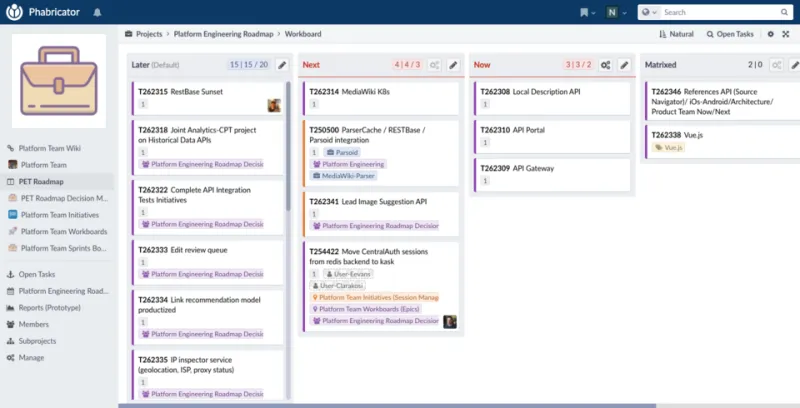
Photo: NNzali (WMF), CC BY-SA 4.0, via Wikimedia Commons
Platform engineering has become one of the more persuasive ideas in enterprise technology. The promise is straightforward: give product teams a set of self-service capabilities, reduce ticket queues, and let engineers spend less time on infrastructure and more time on customers. For many US enterprises, that promise is real. For others, the internal platform becomes a new dependency with a friendlier name.
The trap is rarely technical. It emerges when leadership treats a platform as a central service catalog rather than a product with customers, boundaries, and a mandate. The platform team begins as an enabler and gradually becomes an approval layer. Product teams gain a portal but lose discretion. The organization has removed one queue and created another.
The Centralization Reflex
Large organizations have a natural reflex to centralize anything that looks like a shared capability. Security, identity, data, and deployment are reasonable candidates for standardization. But standardization is not the same as central control. A platform can provide a paved road without requiring every team to file a request to use it.
The problem begins when the platform team owns too many decisions. If every exception requires platform review, the team becomes a gatekeeper. If every new service template must be approved by a central backlog, product teams lose the ability to respond to their own customers. The platform may be well intentioned, but its operating model recreates the dependency it was meant to eliminate.
How the Trap Forms
Several patterns show up repeatedly.
The platform is measured by output, not flow. The team reports the number of templates, pipelines, or services it has built. It does not report the time product teams wait for a capability or the number of escalations required to get one.
The platform has no product manager. Without someone accountable for adoption, usability, and prioritization, the platform roadmap reflects the platform team's preferences rather than the work of its customers.
The paved road has no exits. Standardization is useful until a product team has a legitimate need that the standard does not serve. If the only path is an exception request, the platform becomes a bottleneck for innovation.
Governance is centralized by default. Security and compliance requirements are important, but they do not require every decision to pass through one team. Risk-tiered guardrails can preserve safety without creating a single queue.
Success is defined as adoption. Adoption matters, but forced adoption is not success. If teams use the platform because they have no alternative, the platform team may be measuring compliance rather than value.
A Healthier Mandate
A healthy platform mandate starts with a clear boundary. The platform team should own the shared capabilities that are genuinely common and costly to duplicate: identity, deployment pipelines, observability standards, environment provisioning, and secure defaults. Product teams should own the application, its data model, and the customer outcome.
The platform should be treated as an internal product. That means user research with engineering teams, a published support model, service-level expectations, and a roadmap that is visible to its customers. It also means giving product teams safe escape hatches. A platform that cannot accommodate legitimate variation will be bypassed or will become a policy enforcement office.
Measurement should shift from what the platform team builds to what the platform changes. Useful indicators include time to first deployment, self-service completion rate, ticket volume per product team, exception rate, platform reliability, and the amount of undifferentiated work product teams still carry. These measures reveal whether the platform is reducing dependency or relocating it.
The Leadership Question
The executive question is not whether to invest in platform engineering. It is whether the platform reduces the number of times a product team must ask permission to do its job. If the answer is no, the organization has centralized the interface without distributing the capability.
Platforms are most valuable when they make the right thing easy and the risky thing visible. They are least valuable when they make every team wait for the same small group of experts. The difference is organizational design, not tooling. Leaders who get that distinction right create leverage. Those who miss it create a new dependency and call it self-service.